What to Plant in September in Gig Harbor, Washington
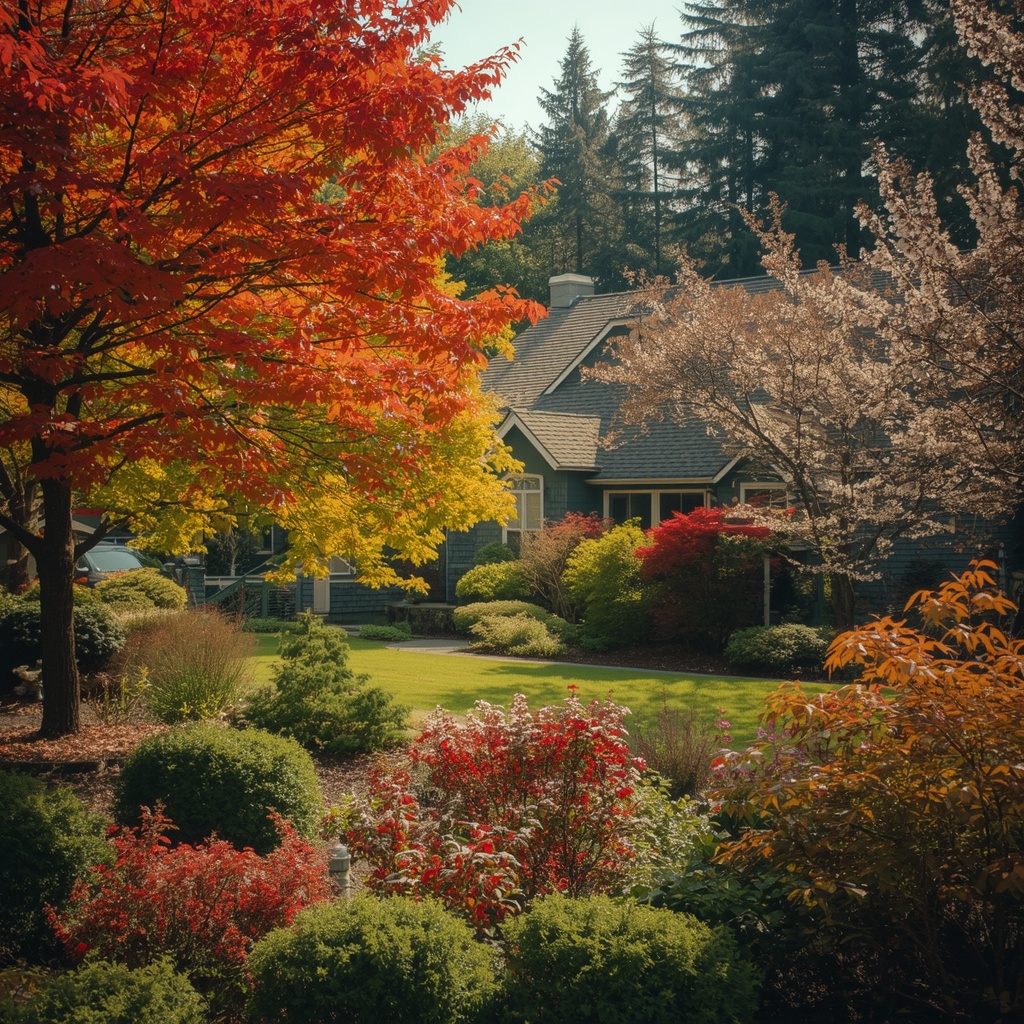
September may feel like the end of the gardening season, but in Gig Harbor, it can actually mark the beginning of one of the best planting seasons of the year.
The intense growth of spring has slowed down. Summer heat begins to ease. The soil, however, still holds warmth from July and August.
Those conditions create a wonderful window for establishing many trees, shrubs and perennials before winter.
So before you put away the shovel and declare the gardening year finished, take another look around your yard. September might offer exactly the opportunity you’ve been waiting for.
Plant Trees and Shrubs
Fall can be an excellent time to add trees and shrubs to a Gig Harbor landscape.
Unlike a tree planted just before a hot, dry spell, a fall-planted tree doesn’t immediately face the demands of summer. Cooler air reduces stress while roots continue developing in relatively warm soil.
That gives the plant time to begin settling into its new home before spring growth starts.
September is a good time to think about plants that can solve a landscape problem as well as make the yard prettier.
Need more privacy? Consider an evergreen screen.
Want more seasonal interest? Look for shrubs with berries, colorful foliage, flowers or interesting bark.
Have a difficult slope? Select plants with root systems and growth habits suited to the site.
Live near the water or on an exposed property? Wind and exposure should influence your plant choices.
The prettiest shrub at the nursery isn’t necessarily the best shrub for the place where you plan to put it.
Add Pacific Northwest-Friendly Perennials
September also gives gardeners a chance to fill bare spaces in existing beds.
Perennials planted in fall can focus much of their energy below ground rather than immediately producing masses of flowers.
For Gig Harbor gardens, consider plants suited to your particular combination of sunlight, moisture and drainage.
Depending on the site, possibilities might include:
- Sword fern
- Oregon grape
- Evergreen huckleberry
- Salal
- Heuchera
- Sedum
- Hardy geranium
- Native and ornamental grasses
Native and regionally appropriate plants can be particularly useful in low-maintenance landscapes because you can match them to conditions that already exist instead of constantly trying to persuade the yard to behave differently.
A shady Northwest garden doesn’t need to pretend it lives in Southern California.
Work with the landscape you have.
Start Thinking About Spring Bulbs
Want daffodils, crocuses and tulips next spring?
Fall is the time to plan for them.
Spring-flowering bulbs need months underground before they make their entrance. Planting bulbs during the fall lets them establish before winter and prepares the garden for that welcome burst of color when the gray months finally loosen their grip.
Bulbs work particularly well when planted in groups rather than scattered one by one.
Try placing clusters:
- Along walkways
- Near entry areas
- Under deciduous trees
- Through perennial beds
- Around patios and outdoor gathering spaces
Think about where you’ll actually see them from inside the house, too. A patch of early spring flowers visible from the kitchen window can earn its keep on a rainy February morning.
Don’t Forget the Vegetable Garden
September doesn’t necessarily mean closing the vegetable garden.
Some crops can continue into the cool season, while others can establish now and produce later.
Spinach can grow into fall or overwinter for an early spring harvest. Quick-growing cool-season greens may also work when planted early enough in the month.
If you’ve finished harvesting part of the garden, consider planting a cover crop instead of leaving the soil bare all winter.
Cover crops can help protect soil from winter rain, suppress weeds and hold nutrients that might otherwise wash away. Later, they can add organic matter back to the garden.
In Western Washington, getting a winter cover crop established by around the middle of September gives it time to develop before shorter days and cooler temperatures dramatically slow plant growth.
Divide Some Established Perennials
Have a perennial that has become enormous, bare in the middle or simply too enthusiastic about owning the entire flowerbed?
September may offer a chance to divide it.
Many established perennials benefit from periodic division. You can replant the divisions elsewhere in the yard or share extras with another gardener.
Just remember that not every perennial wants division at the same time of year, so check the requirements for the particular plant before introducing it to your shovel.
Mulch After Planting
Freshly planted trees, shrubs and perennials benefit from mulch around the root zone.
Mulch helps conserve soil moisture, moderates temperature and suppresses weeds. Arborist wood chips work particularly well around many landscape plants.
Keep mulch away from direct contact with trunks and plant crowns. Don’t build the infamous “mulch volcano” around a tree trunk.
Trees do not need turtlenecks.
Instead, spread mulch across the root area and leave some breathing room around the base of the plant.
Keep Watering New Plants
Here’s one of the easiest September gardening mistakes in Gig Harbor: assuming the first cool or drizzly days mean Mother Nature has taken over irrigation duty.
The upper soil may feel damp while the root zone remains dry.
Newly installed trees and shrubs need consistent moisture while establishing their roots. Water slowly and deeply, then check the soil rather than watering automatically.
As our dependable fall rain arrives, you can reduce supplemental watering.
September Is Also a Great Month to Rethink the Yard
You don’t have to limit fall gardening to adding a few plants.
September offers a good opportunity to look at the bigger picture.
Maybe an old bed needs renovation. Maybe you want a privacy screen. Maybe the lawn consumes too much time and you’d rather replace part of it with planting beds, paths or hardscaping.
Perhaps drainage became painfully obvious during last winter’s rain, and you’d rather solve it before another wet season arrives.
A good landscape isn’t simply a collection of plants. The lawn, trees, beds, walkways, patios, irrigation and drainage all need to work together.
Levy’s Lawns & Landscaping provides landscape design and installation, lawn care, sprinklers, sod, hardscaping, privacy screens and other outdoor improvements throughout Gig Harbor and surrounding communities.
Don’t let a tired summer lawn limp into winter. Call Levy’s Lawns & Landscaping at (360) 876-6567 and let’s get your Gig Harbor lawn healthier, greener, and better prepared for spring.